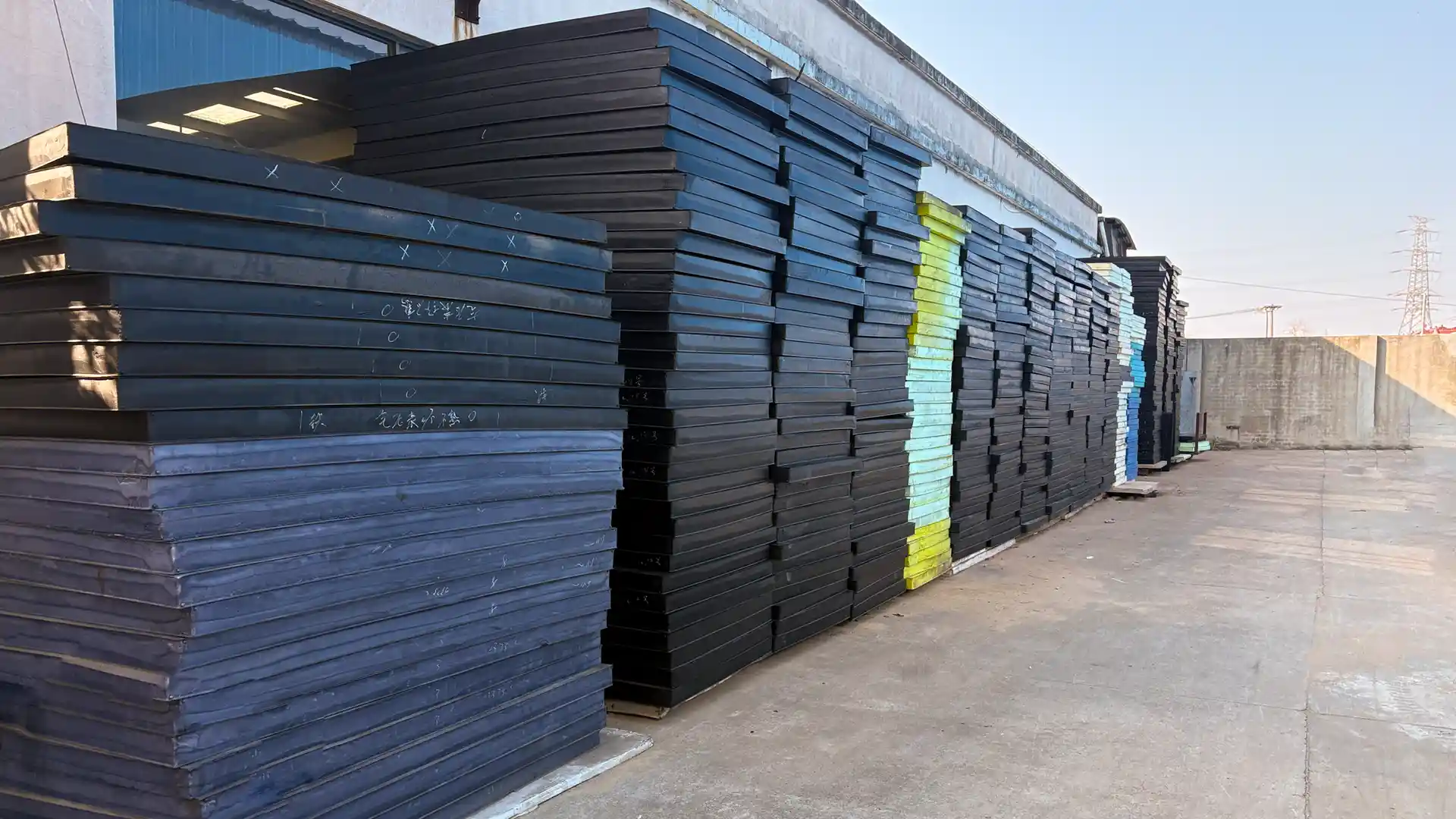
EVA foam sheet (short for Ethylene Vinyl Acetate foam) is a super common, lightweight foam material that’s soft, flexible, and super useful in daily life. Think of it as a “friendlier, more versatile sponge”—but stronger, water-resistant, and safer for all kinds of uses.
What Does It Feel Like?

- Soft but sturdy: It’s squishy (like a yoga mat or a comfortable shoe insole) but bounces back quickly—no sagging or breaking easily.
- Light as a feather: You’ll barely feel its weight, even in thicker pieces.
- Smooth or textured: Most EVA foam is smooth, but it can also have grip patterns (like non-slip mats) or sticky backs (for easy sticking to surfaces).
Why Is EVA Foam So Popular?
It checks all the boxes for practical use:
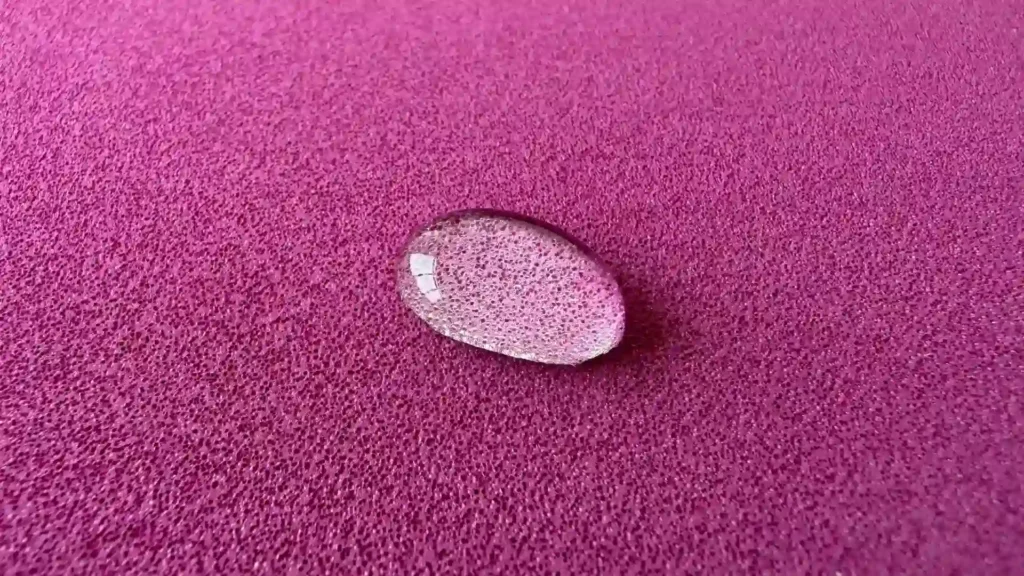
- Water-resistant: It doesn’t soak up water (great for wet areas or packaging that needs to stay dry).
- Safe & non-toxic: No harmful chemicals like formaldehyde or heavy metals—so it’s okay for kids’ toys, baby gear, or even food-contact items (like packaging for fruits or snacks).
- Easy to shape: It can be cut, folded, stamped, or glued into almost any form—perfect for DIY projects, custom parts, or specialized products.
- Durable: It holds up well to wear and tear, extreme temperatures (from cold winters to hot summers), and repeated use.
Where Do You See EVA Foam Every Day?
You probably use or touch it more than you think:
- Footwear: Soft insoles in shoes, flip-flop straps, or the cushy part of sneakers.
- Sports & fitness: Yoga mats, knee pads, elbow guards, or the padding in gym equipment.
- Packaging: Cushioning for electronics (like phone cases or laptop sleeves), fragile items (glassware, toys), or tools (to prevent scratches).
- Home & kids: Non-slip bath mats, play mats for toddlers, door stoppers, or soundproofing strips for windows/doors.
- Cars: Soft padding in car interiors (door panels, seat cushions) or trunk liners to reduce noise.
- DIY & crafts: Colorful foam sheets for school projects, cosplay costumes, or homemade decorations.
Our EVA Foam Sheets: What Makes Them Special?
We make EVA foam sheets in our own factory, so we can tweak them to fit your needs:
- Choose your size: Thin (as thin as a sheet of paper) or thick (like a book)—any width/length you want.
- Pick your color: Black, white, gray, or bright colors (pink, blue, green—you name it!).
- Custom softness: From super squishy (like a stress ball) to firm (for support).
- Add extras: Non-slip texture, sticky backing, or even fire-resistant or anti-static features (great for electronics).
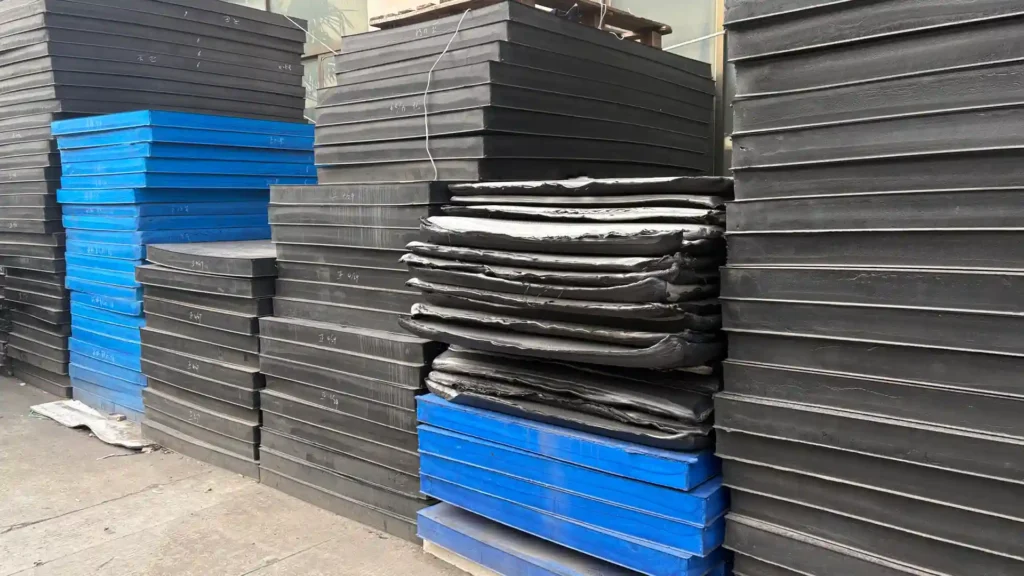
No matter what you need it for—whether it’s protecting products during shipping, making comfortable gear, or creating fun crafts—EVA foam is a simple, reliable choice that works hard without being complicated. Contact us for a quote.
Core Material Parameters
Below is a professional, structured breakdown of the EVA Foam Sheet technical features and parameters, optimized for WordPress display with clear hierarchy and readability.
| Parameter | Adjustable Range | Standard Configuration | Key Significance |
|---|---|---|---|
| Density | 30–250 kg/m³ | Low (30–60 kg/m³) Medium (60–120 kg/m³) High (120–250 kg/m³) | Determines softness, cushioning, and structural strength; lower density for lightweight use, higher for load-bearing. |
| Shore C Hardness | 10–80 SC | Soft (10–30 SC) Medium (30–60 SC) Firm (60–80 SC) | Controls material flexibility; ideal for insoles, packaging, and protective parts respectively. |
| Thickness | 2–150 mm | Customizable | Matches diverse application needs (thin for crafts, thick for insulation). |
| Standard Size | Customizable | 1m×2m 1.2m×2.4m | Compatible with mass production and custom processing. |
Structural & Functional Properties
- Closed-Cell Structure: Integral bubble design with water absorption ≤ 0.5%, ensuring waterproof, moisture-proof, and anti-seepage performance.
- Eco-Friendly Formula: Zero formaldehyde, heavy-metal-free, and compliant with food-contact and environmental standards.
- Customizable Features: Supports non-slip texture, self-adhesive backing, flame retardancy (V0–HB grade), anti-static, and antibacterial modifications.
- Temperature Resistance: Stable performance from -40℃ to 80℃, suitable for indoor and outdoor applications.
Performance Indexes
- Compression Resilience: ≥60% (ASTM D3574 standard) – Fast rebound without deformation after long-term extrusion.
- Tensile Strength: ≥1.5MPa – Ensures durability during cutting, stamping, and processing.
- Thermal Insulation Effect: 0.030–0.035 W/(m·K) – Excellent heat preservation and cold resistance.
- Wear Resistance: Low friction coefficient, resistant to daily friction and abrasion.
Global Compliance Certifications
All EVA Foam Sheets are certified by international authorities to meet cross-border trade requirements:
- RoHS (EU) – Restriction of Hazardous Substances compliance.
- REACH (EU) – Full compliance with chemical registration and evaluation regulations.
- FDA 21 CFR 177.1350 (US) – Approved for direct food contact and packaging.
- ISO 9001/14001/45001 – Integrated management system for quality, environment, and occupational health.
EVA Foam vs PE Foam: What’s the Difference?
EVA foam (Ethylene Vinyl Acetate) and PE foam (Polyethylene) are both widely used closed-cell foam sheets, but they differ in softness, resilience, safety and applications.
Key Differences
- Softness & Feel
- EVA Foam: Soft, flexible, elastic, with good rebound (like yoga mats & shoe insoles).
- PE Foam: Harder, more rigid, less elastic, focuses on buffer and protection.
- Water & Weather Resistance
- Both are waterproof and moisture-proof.
- PE foam performs better in low-temperature resistance and anti-aging.
- Safety & Certification
- EVA Foam: Non-toxic, formaldehyde-free, food-contact safe (FDA certified), ideal for toys, baby products and food packaging.
- PE Foam: Eco-friendly but less used in direct food-contact scenarios.
- Main Applications
- EVA Foam: Footwear, yoga mats, crafts, protective gear, daily necessities.
- PE Foam: Express packaging, electronic buffer, construction insulation, shockproof filling.
Quick Choice Guide
- Choose PE Foam for rigid protection, packaging and industrial insulation.
- Choose EVA Foam for softness, elasticity, safety and daily-use products.
EVA Foam vs PE Foam: Cost & Price Differences
Cost Comparison
- Raw material cost
- PE foam has a lower raw material cost, as polyethylene is a common, mass-produced basic plastic.
- EVA foam relies on ethylene-vinyl acetate copolymer, with slightly higher raw material cost than standard PE foam.
- Production cost
- PE foam production and foaming processes are simpler, with low processing costs, very suitable for large‑volume, low‑cost orders.
- EVA foam supports more custom options (hardness, color, texture, lamination), so its processing cost is moderately higher.
- Final market price
- Standard PE foam: Lower unit price, highly cost-effective for packaging and shock absorption.
- Standard EVA foam: Moderately higher price, matching its better elasticity, softness and durability.
Conclusion
- Choose PE foam for low-budget bulk protection.
- Choose EVA foam if you accept a small cost premium for better performance and customization.
EVA Foam Sheet vs PE Foam Roll: Key Differences & Uses
EVA Foam Sheet and PE Foam Roll are both widely used closed-cell foam materials, but they differ greatly in material property, product form, application and cost, suitable for different industrial and daily scenarios.
Main Differences
- Material & Performance
- EVA Foam Sheet: Soft, elastic, good rebound, non-toxic, waterproof, customizable in hardness and color.
- PE Foam Roll: Light, rigid, high shockproof, better low-temperature resistance, stable in texture.
- Product Form
- EVA Foam Sheet: Sold as fixed-size sheets, easy for cutting, molding and DIY processing.
- PE Foam Roll: Supplied in continuous rolls, ideal for large-area covering and mass automated use.
- Typical Applications
- EVA Foam Sheet: Shoe insoles, yoga mats, crafts, protective gear, custom packaging parts.
- PE Foam Roll: Express buffer packaging, floor protection, construction insulation, large-area filling.
- Cost & Efficiency
- EVA Foam Sheet: Moderate cost, suitable for customized and high-performance products.
- PE Foam Roll: Lower cost, high production efficiency, perfect for large-volume protective use.
Quick Selection
- Choose EVA Foam Sheet for softness, customization and finished products.
- Choose PE Foam Roll for large-scale, low-cost protection and continuous packaging.
Leave a Reply